


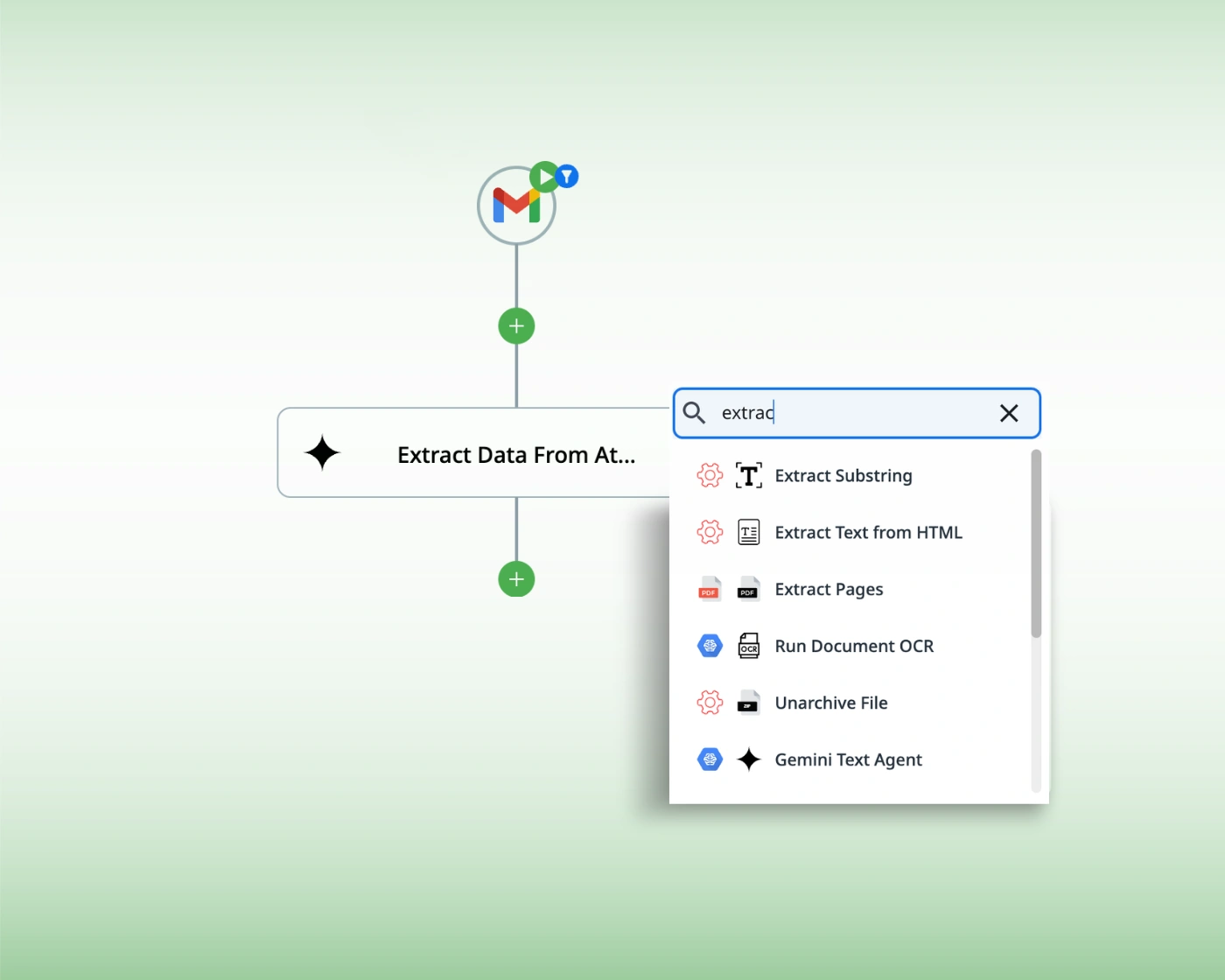

Use AI within Zenphi (Document OCR, or Gemini text agent) to pull relevant details from contracts, forms, supporting documents, and case files without manual review of every page. Zenphi can capture the structured information your team needs to move work forward faster and route it into the right workflow.


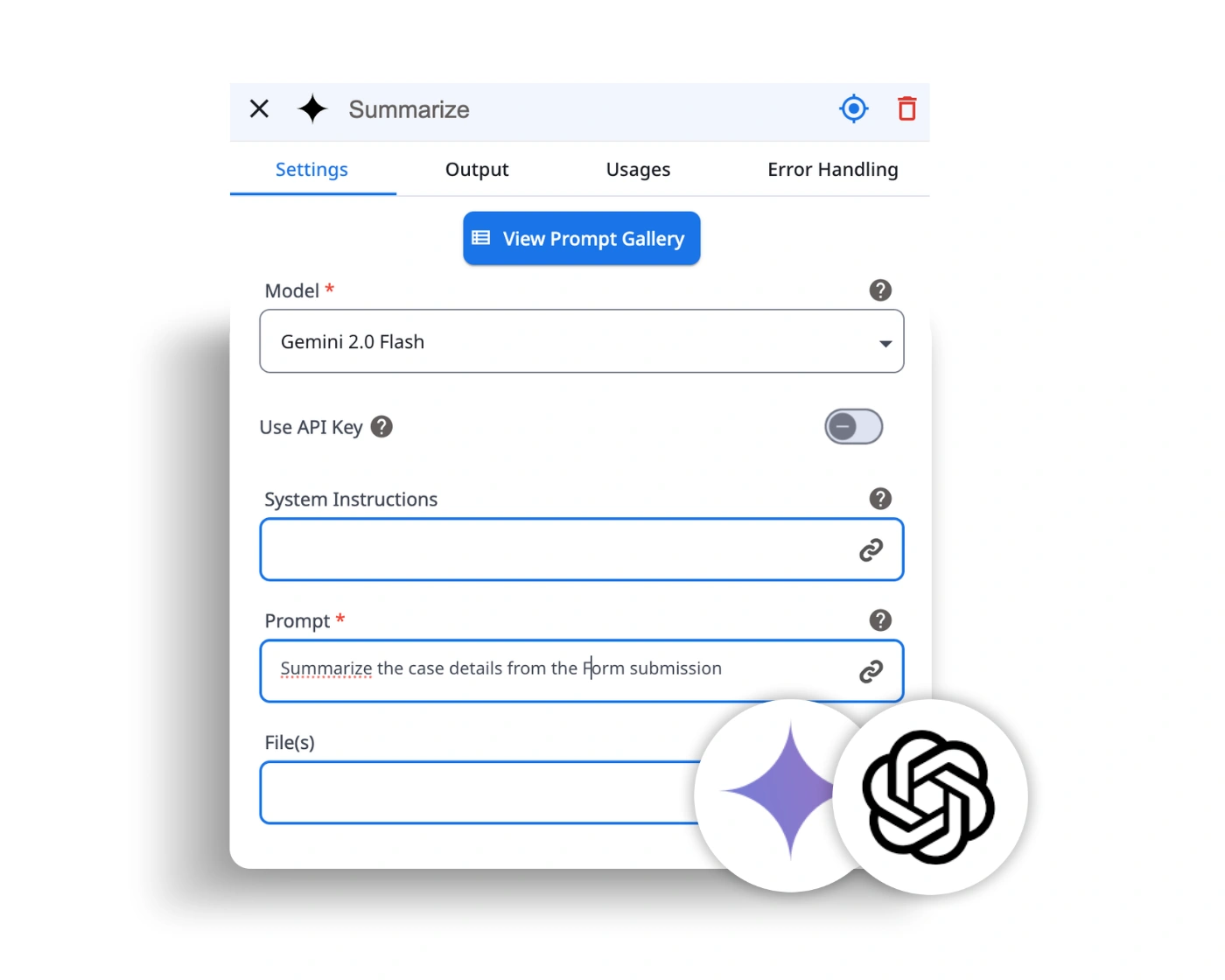
Get to the point faster with AI-generated summaries of uploaded files, email threads, and supporting documentation. This makes it easier to review requests, understand context quickly, and prepare the next step without reading everything from scratch.
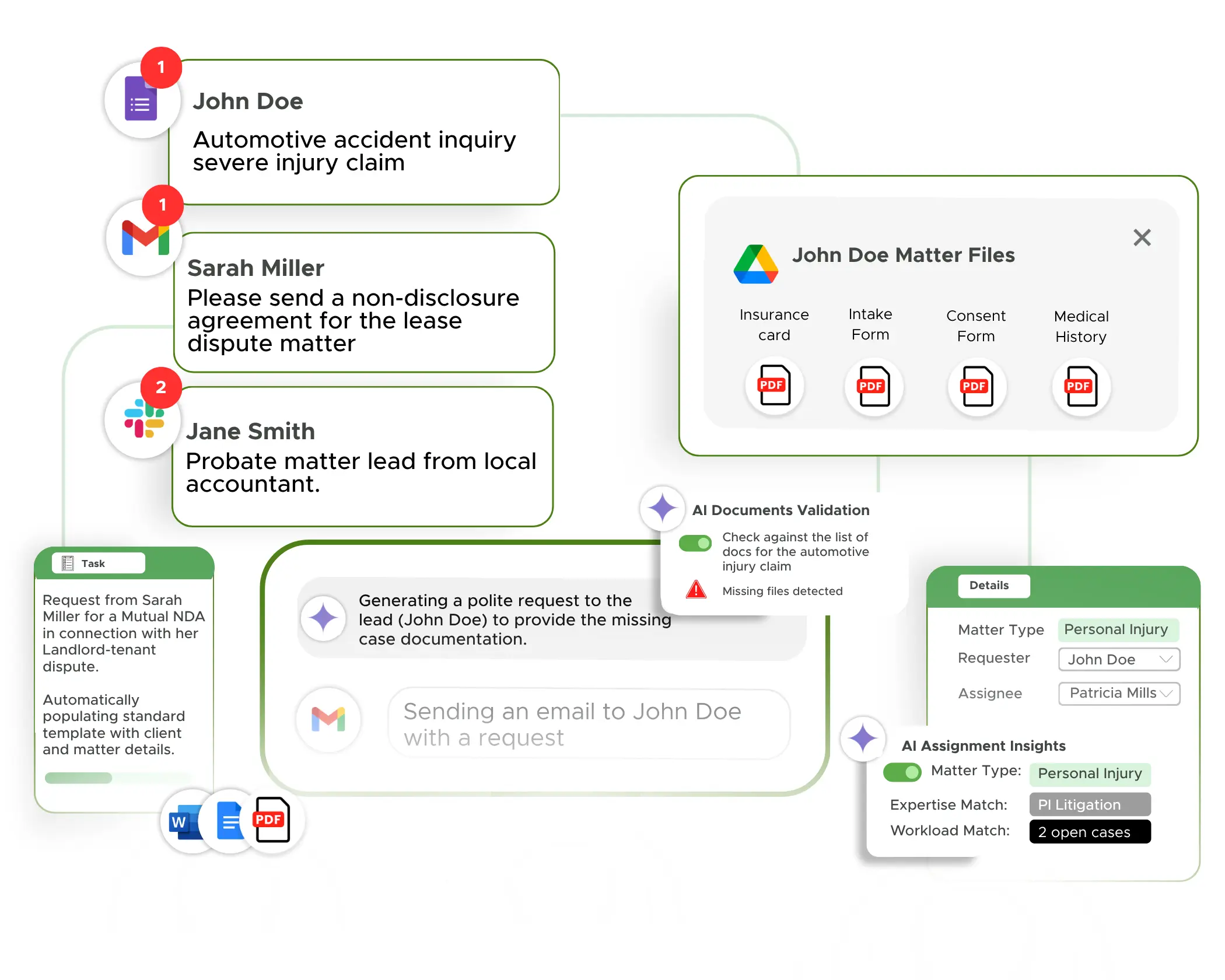
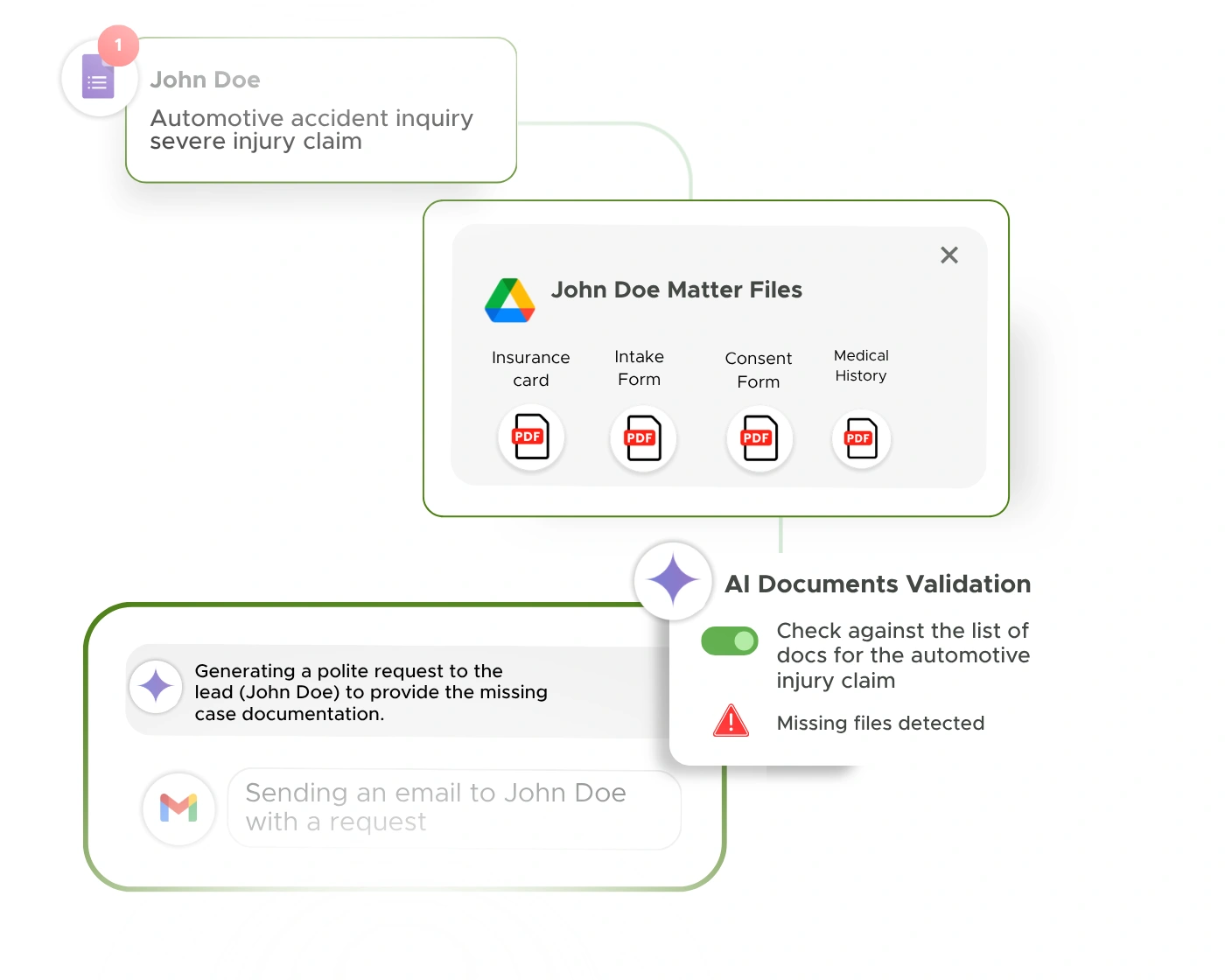
Add a validation step to your law firm workflow — use AI to check whether all required files have been submitted for a case, matter, or request and flag missing items automatically. It can then notify the internal team, update the workflow status, or generate a ready-to-send email asking the requester for the missing documents.


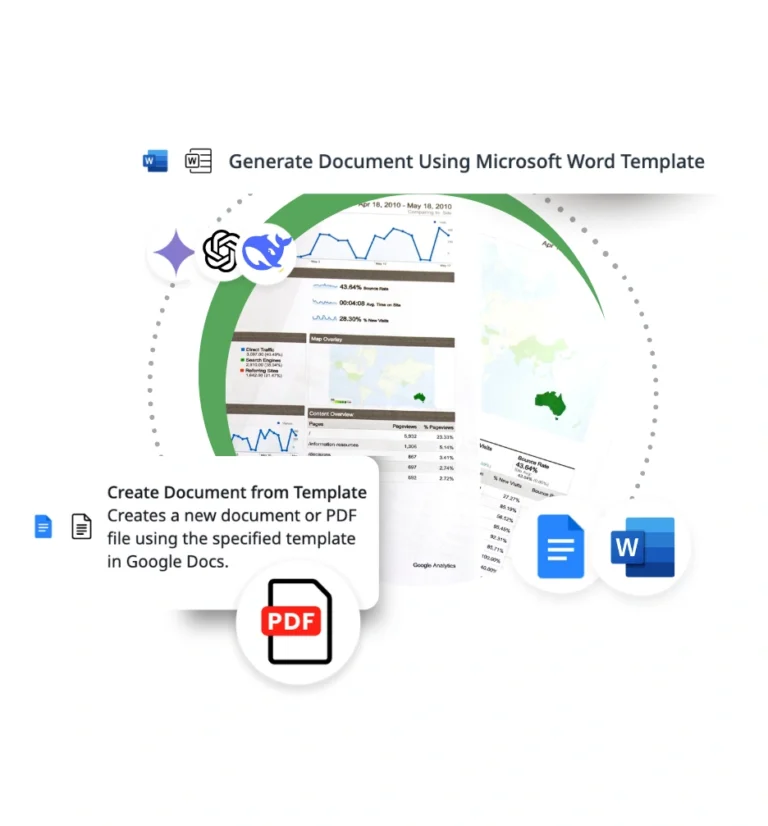
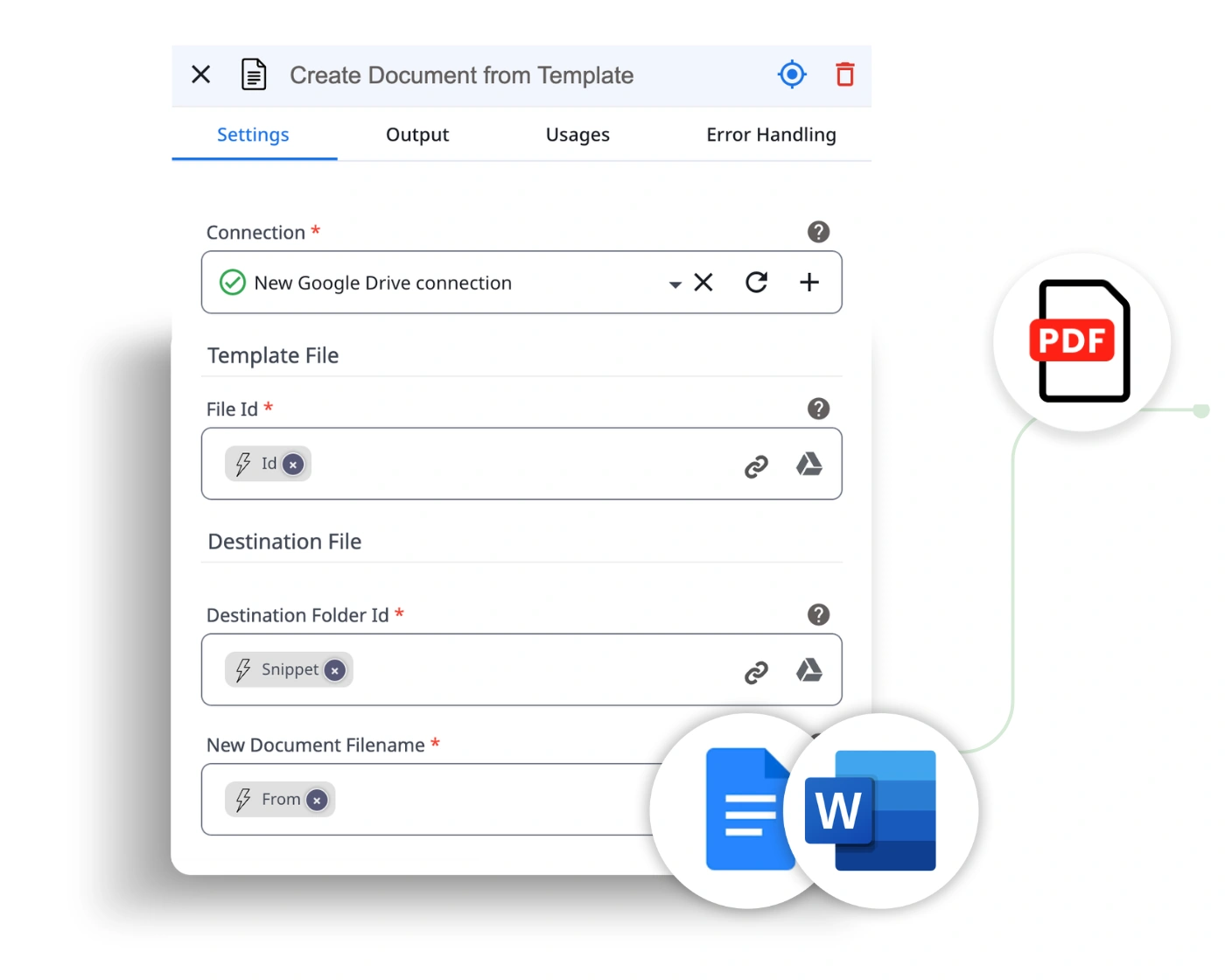
Use AI (or simple document templates) within Zenphi to create NDAs, engagement letters, proposals, standard agreements, and other repeatable documents using structured case data and workflow inputs.Â
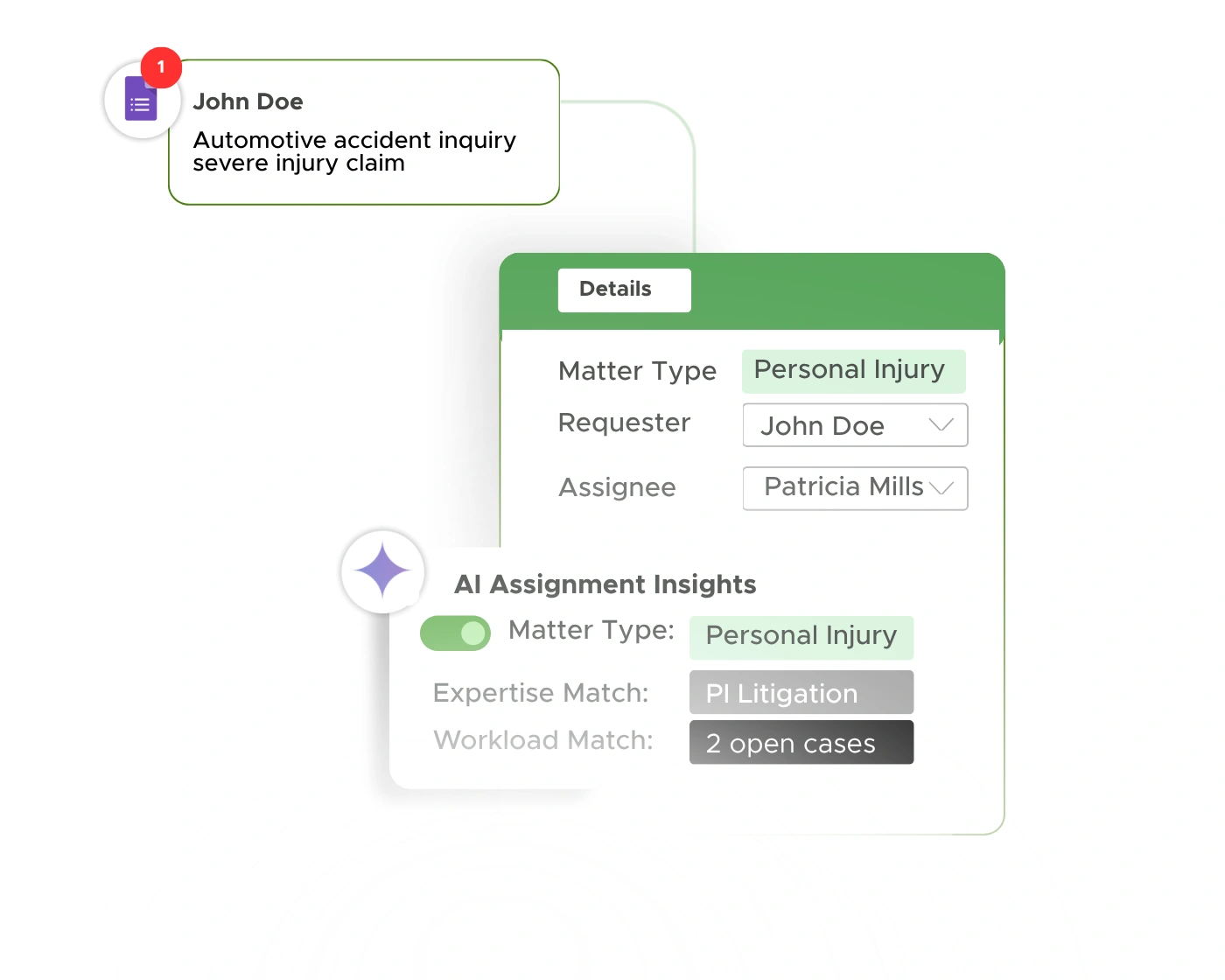
Use AI within Zenphi and workflow logic to route matters to the right team members based on practice area, experience, document type, urgency, or current capacity.Â

See how Zenphi helps law and legal services firms automate intake, triage, document generation, approvals, and matter-related workflows with AI embedded where it delivers real value.

Capture legal requests from whichever channel clients actually use. Use Zenphi to structure the request, extract the key data, assign ownership, and trigger the correct workflow without forcing everyone into a rigid portal.
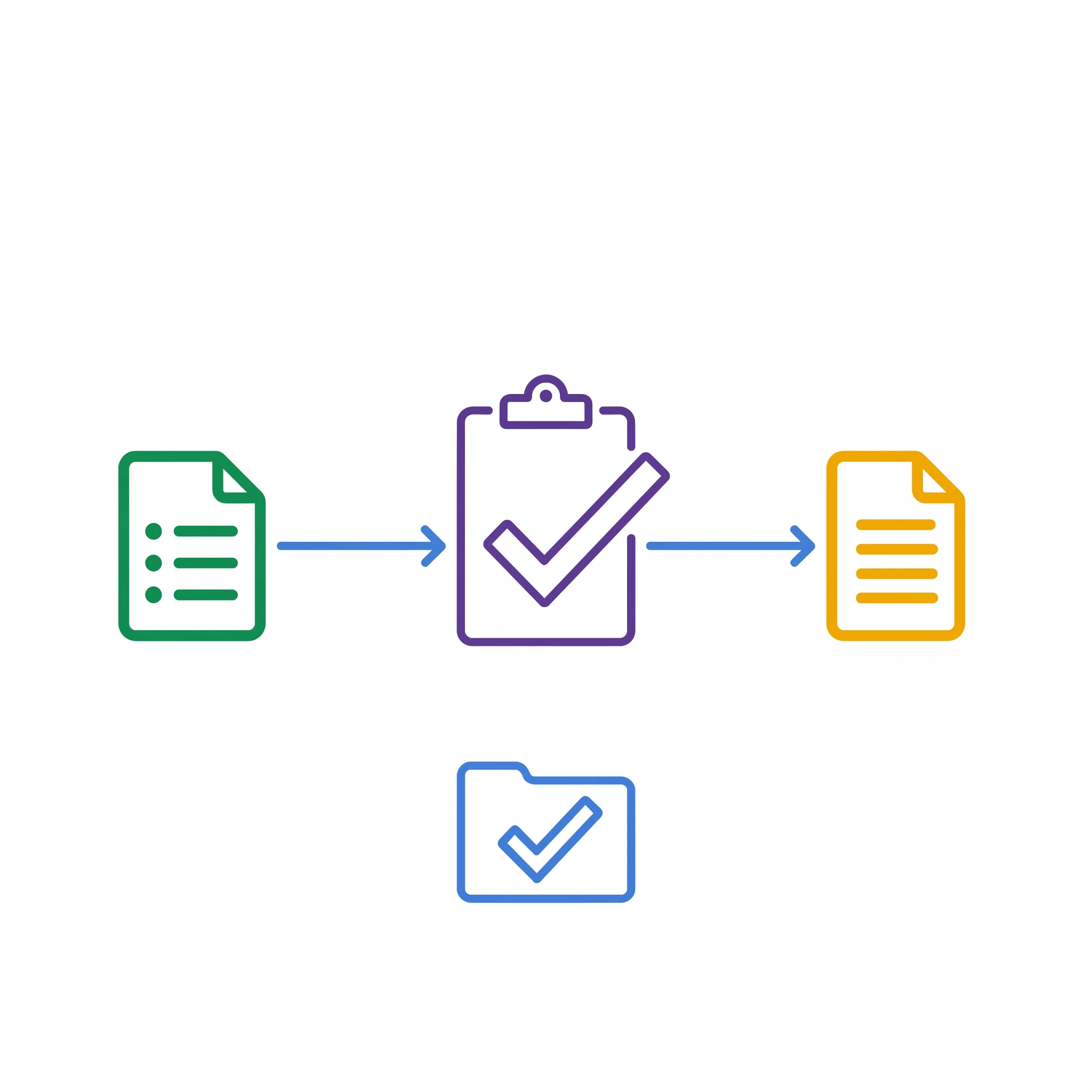
Standartize and automate approvals (budget approvals, expense approvals, document approvals and more). No more chasing your team members in emails or Slack!
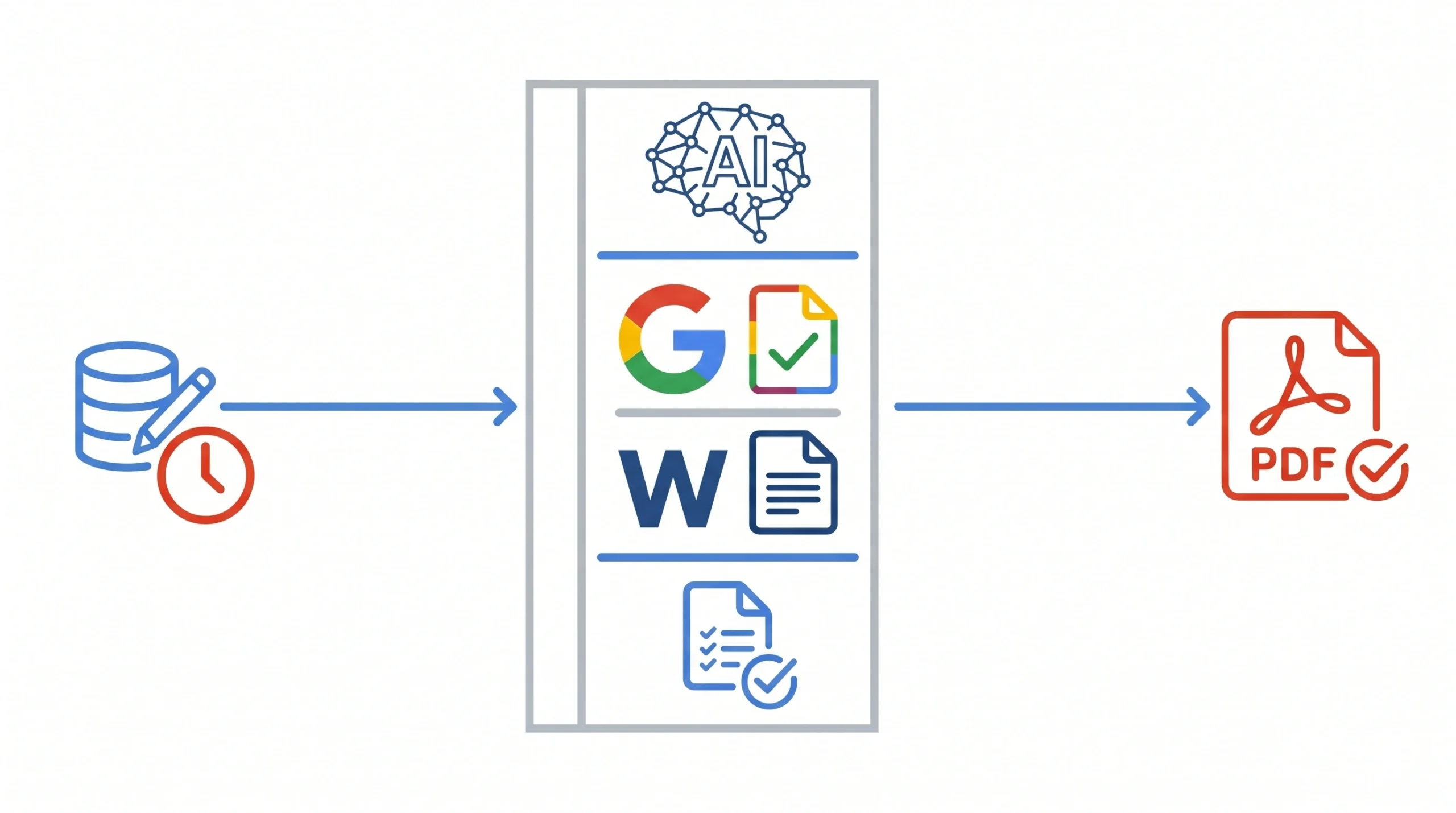
Use Zenphi to generate NDAs, engagement letters, fee summaries, and other standard documents from structured data.
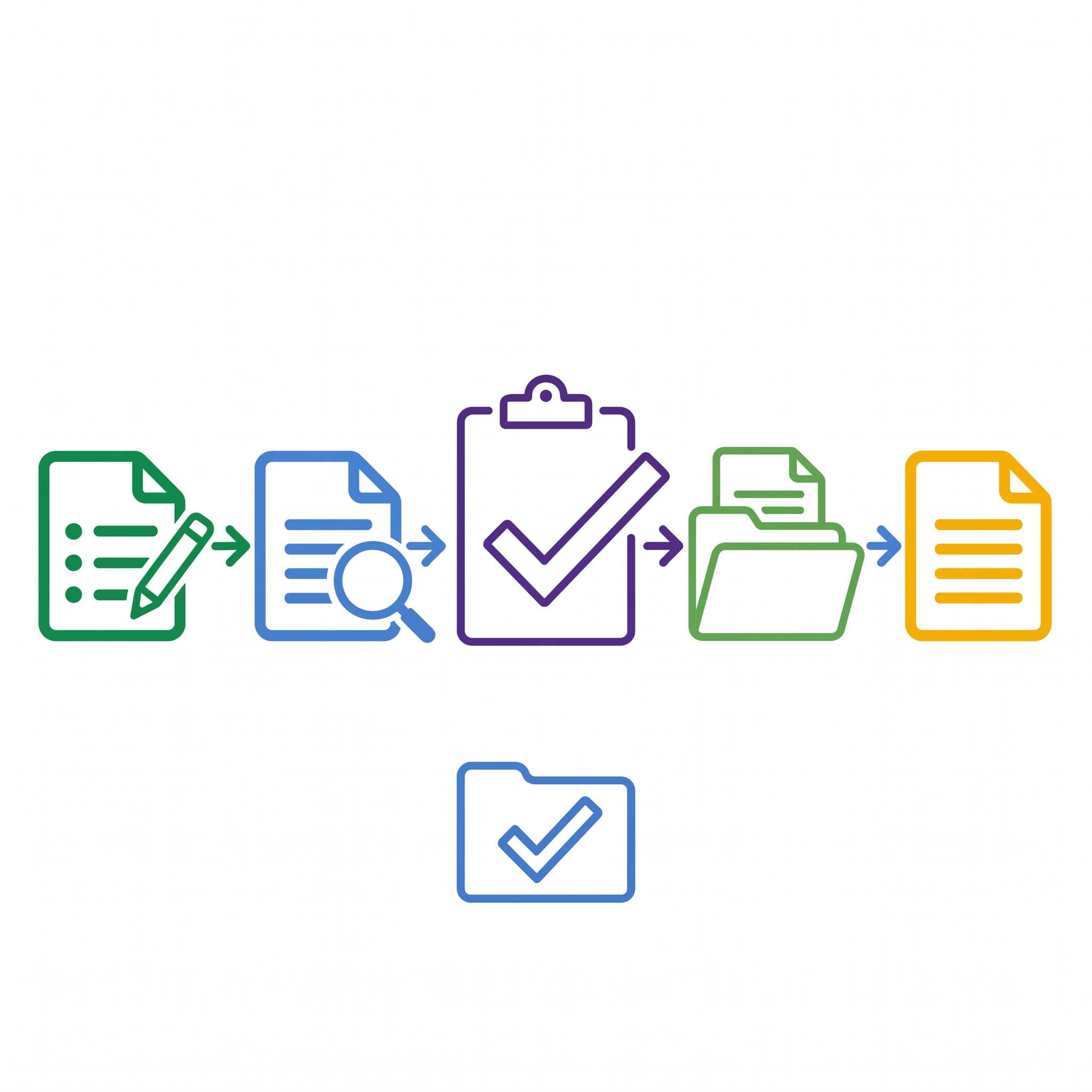
Automate easily the flow of legal documents from intake through drafting, review, approval, filing, and storage.
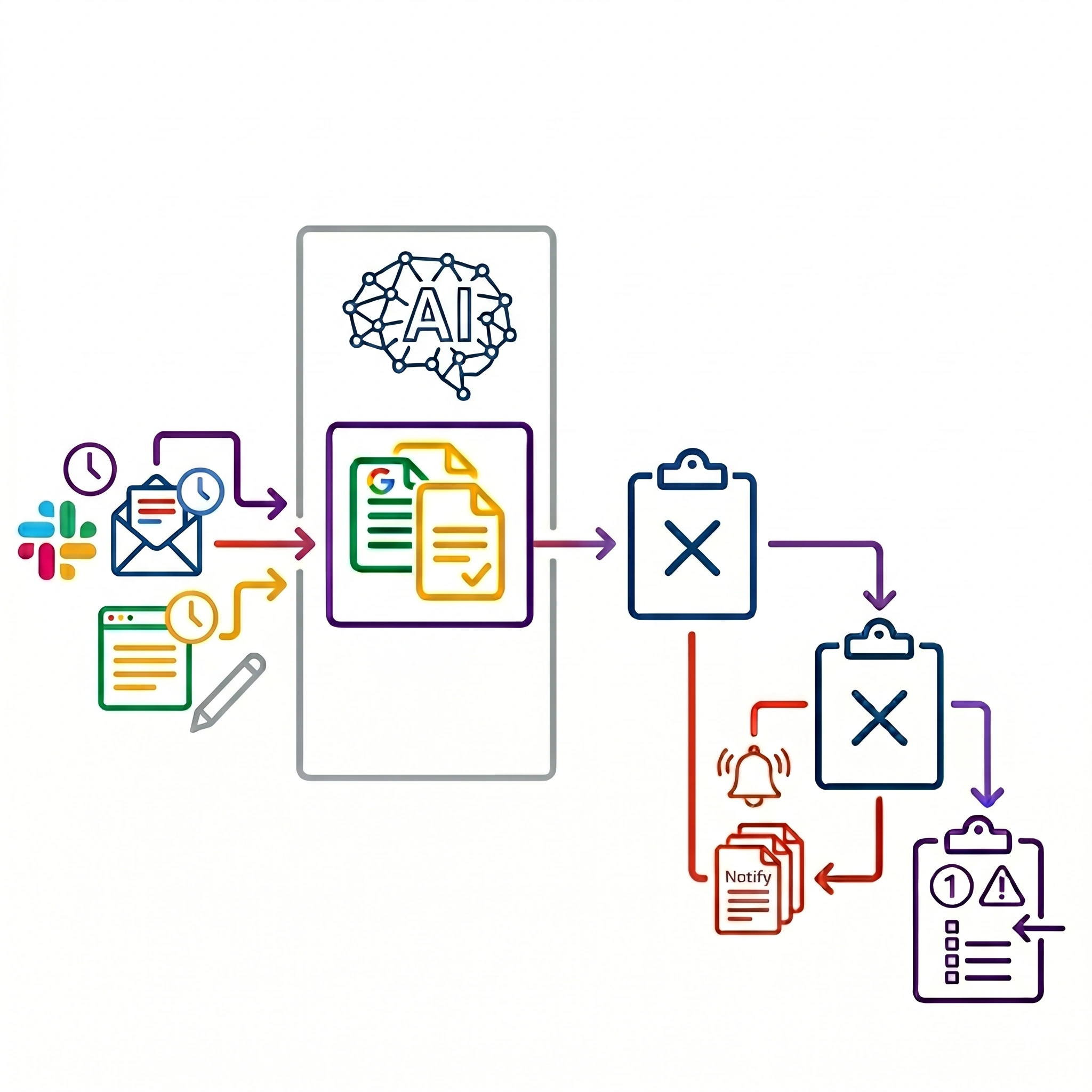
Use Zenphi to automatically check incoming case files against required document lists. Trigger necessary workflow and assign a case automatically or auto-generate an email request asking the client to provide the missing documents.
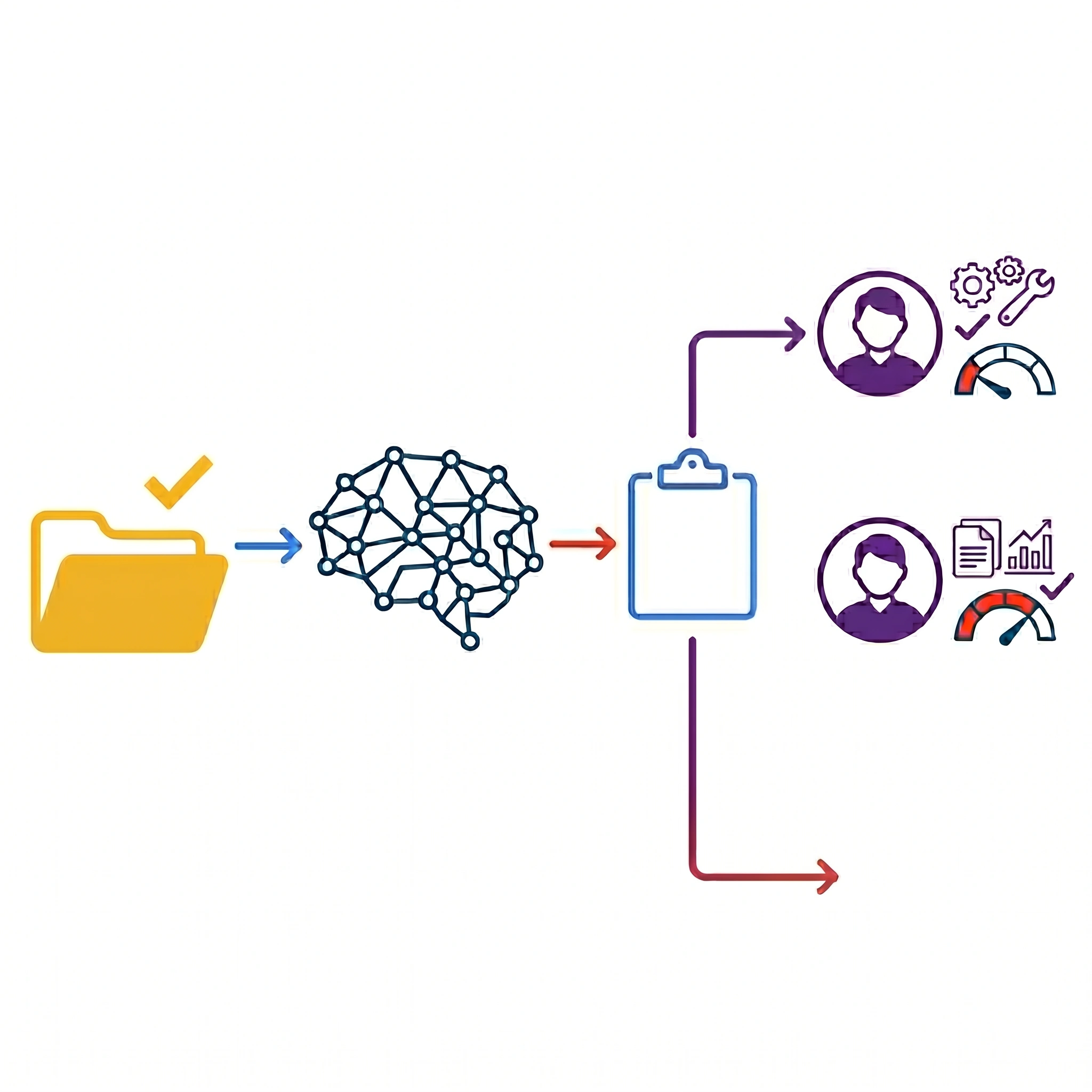
Use Zenphi to route matters to the right lawyers, paralegals, or legal operations staff based on expertise, practice area, availability, urgency, or current workload.
While other platforms push you through chatbots and endless loops before reaching a real person, Zenphi takes a different approach. Our Customer Success team is always live — no bots, no scripted responses, no wasted time. Every support request is handled directly by a human expert who understands your workflows and can give you hand with them quickly.
Even though Zenphi is an AI enablement platform, we believe some things should never be automated — like the way we support our customers.Â
Zenphi has become a core law firm workflow tool for our team. We’ve used it to automate intake, legal document automation, and several internal approval processes that used to depend on email follow-ups and manual tracking. It gave us a much more scalable way to manage legal operations without forcing us into rigid workflows.

Before Zenphi, too much of our contract management in law firm operations relied on disconnected systems and repetitive admin work. With Zenphi, we’ve automated document routing, case-related workflows, and status visibility across the team. It’s one of the few platforms that let us shape the workflow around our firm instead of the other way around.

Zenphi helped us modernize the operational side of legal delivery. From legal document automation and matter intake to reporting and internal coordination, it has given our team a flexible law firm workflow tool that supports the way we actually work. The result is faster turnaround, better consistency, and much less manual effort.
The most useful applications are not abstract. Firms are using AI to extract data from incoming documents, summarize files, validate whether required case materials are missing, generate repeatable legal documents, assign work more intelligently, and turn legal activity into better reporting. Zenphi helps connect those AI tasks to actual workflows so they lead to action, not just output.
The safest and most effective approach is to embed AI into structured legal workflows rather than use it as a standalone tool. Law firms should apply AI to clearly defined tasks like data extraction, summarization, document validation, document generation, and workload assignment, while keeping approvals, exceptions, and final decisions under human control. Law firm workflow AI tools like Zenphi support this model by letting firms build AI-powered workflows with review steps, approval checkpoints, and full visibility across the process, so AI can improve efficiency without compromising oversight, consistency, or client trust.
Document-heavy and admin-heavy workflows are usually the best place to start. That includes intake and triage, missing-document follow-up, document summarization, legal document automation, approvals, workload assignment, and reporting. These are high-friction processes where AI can improve speed and consistency without trying to replace legal expertise. That is also where a workflow platform like Zenphi tends to be most useful, because it can connect AI actions to the actual process around them — routing work, updating statuses, generating documents, triggering follow-ups, and keeping the right people involved at each step.
AI can help firms respond faster and more consistently by generating intake acknowledgments, follow-up emails for missing documents, status updates, and standardized communications tied to workflow events. Used well, it improves responsiveness while keeping the firm’s process controlled and trackable. Zenphi is useful here because it can tie those communications directly to workflow activity, so updates, reminders, and follow-ups happen in context rather than as separate manual tasks.
You should look beyond standalone AI features and evaluate how well the platform supports workflow control, document automation, integration with existing systems, reporting, review steps, and pricing at scale. For many firms, the difference is not whether AI exists, but whether it can be embedded into real legal operations without adding complexity. That is where platforms like Zenphi tend to stand out, especially when firms need AI to connect with documents, approvals, dashboards, and the systems they already use.
Because document review, collection, generation, validation, and approval are still at the center of how legal work moves. Your audience research highlights document review, document workflows, and legal document automation as major areas of interest, which makes them one of the clearest opportunities for practical AI-enabled improvement. Tools like Zenphi fit naturally into this area because it helps firms connect document-related AI tasks with the broader workflow around them, from intake and generation to review, follow-up, and reporting.
The strongest examples usually start with a narrow but high-volume workflow rather than trying to transform the whole firm at once. Firms get the best results when they apply AI to a specific operational bottleneck, such as intake, document handling, or internal coordination, and then expand once the workflow is proven. Zenphi is often most effective in exactly that kind of rollout, where a firm starts with one practical workflow and then builds on it once the process, controls, and outcomes are clear.
The key is choosing a platform that can adapt to your firm’s existing channels, documents, approval logic, and operating model. Zenphi is useful here because it gives firms room to automate around email, forms, chat, Google Docs, Word templates, and existing systems rather than forcing everything into a single fixed process.